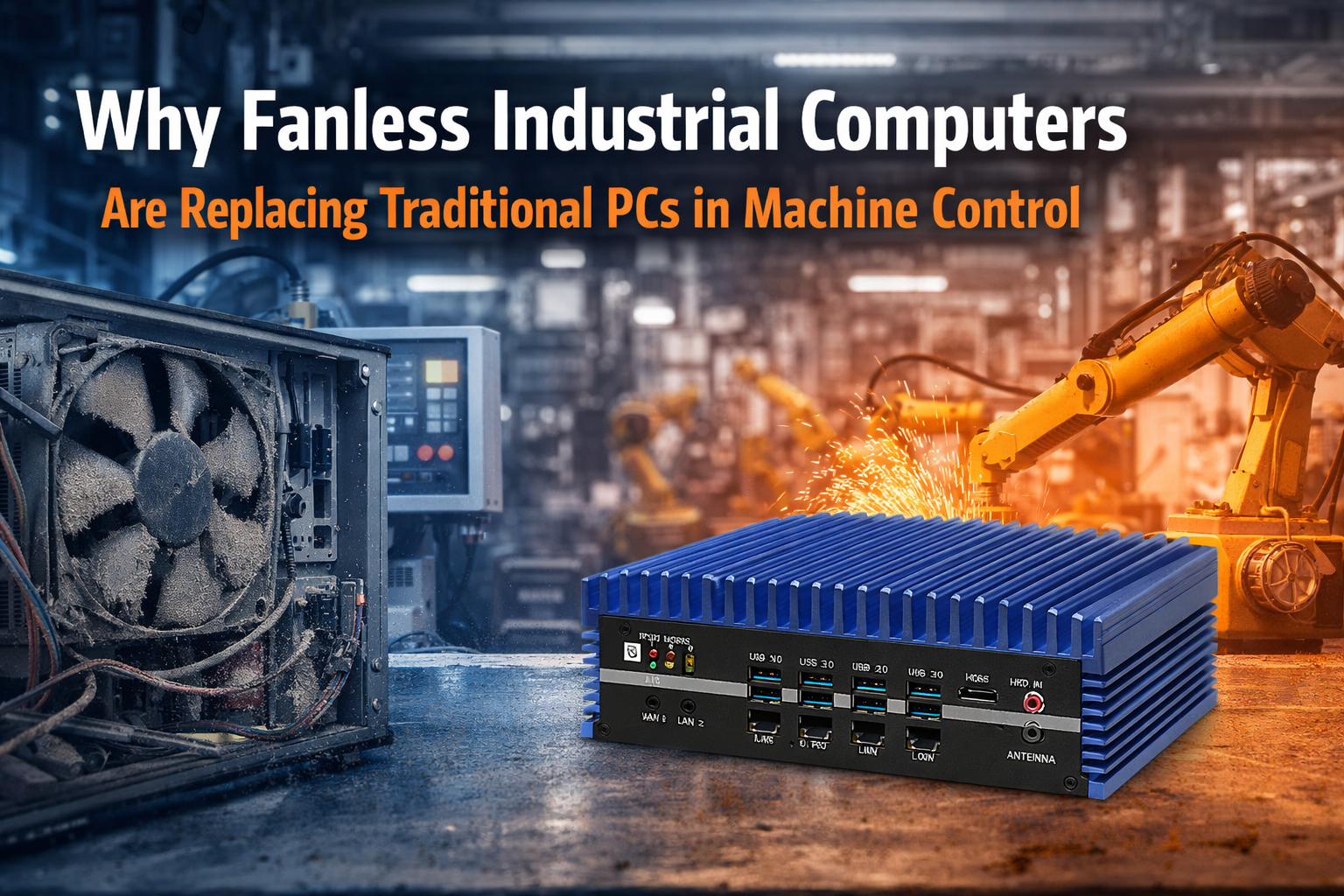
Industrial environments place significant demands on computing hardware. Dust, vibration, temperature fluctuations and continuous operation make traditional office computers unsuitable for most machine control applications.
For this reason, many system integrators and machine builders are moving towards fanless embedded industrial computers designed specifically for harsh environments.
The problem with traditional PCs on the factory floor
In many facilities, the computer responsible for controlling or monitoring machinery is often installed inside an electrical cabinet or mounted directly on the production line. While a standard desktop PC may seem like a convenient solution, these systems are rarely designed for the conditions found in industrial environments.
One of the most common points of failure is the cooling system. Traditional computers rely on internal fans to regulate temperature. In environments where dust, fibres or metal particles are present, these fans can quickly become clogged, reducing cooling efficiency and eventually causing overheating. Vibration is another factor that is frequently underestimated. Machinery, motors and production equipment create constant vibration, which can affect internal components over time. Combined with continuous operation, this can significantly shorten the lifespan of standard consumer hardware.
For companies relying on stable machine control systems, unexpected downtime caused by computer failures can quickly translate into production losses and costly maintenance interventions.
Why fanless industrial computers make sense
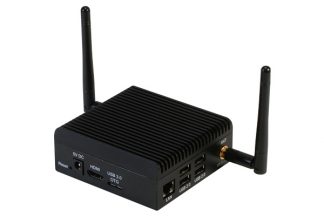
Fanless embedded computers were designed specifically to address these challenges. By eliminating internal fans and using passive cooling systems, these platforms remove one of the most common sources of hardware failure.
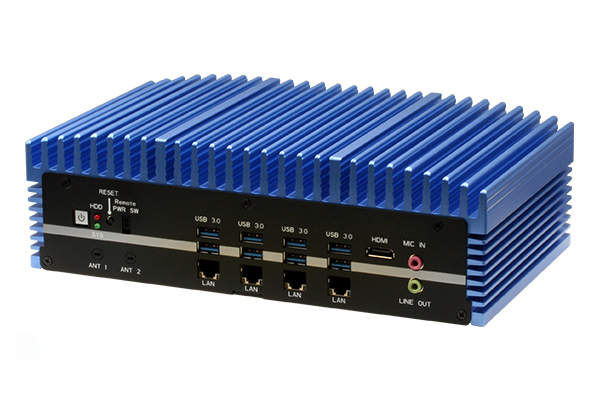
Instead of relying on airflow through the chassis, fanless systems typically use aluminium enclosures that act as heat sinks, dissipating heat safely while keeping the internal components sealed from dust and debris.
This design not only improves reliability but also reduces maintenance requirements. In many industrial installations, equipment is expected to operate continuously for years. A sealed, fanless system helps ensure that the computing platform remains stable without the need for frequent servicing.
Another important advantage is the compact form factor. Embedded computers are typically much smaller than traditional desktop systems, allowing them to be installed easily inside control cabinets or integrated directly into machinery.
Integration with industrial equipment
Machine control systems often need to communicate with a wide range of devices. PLCs, sensors, HMIs and legacy equipment may all require different communication interfaces.
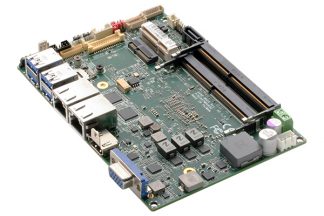
Embedded industrial computers are therefore designed with integration in mind. Multiple Ethernet ports, serial interfaces and USB connectivity allow engineers to connect the computer directly to existing industrial infrastructure without additional hardware.
This flexibility makes embedded systems particularly attractive for machine builders and system integrators who need reliable computing platforms that can adapt to different project requirements.
An example of an industrial embedded platform
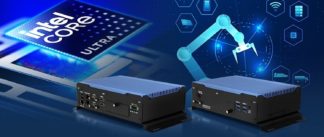
Industrial computers such as the AAEON BOXER-6641 illustrate how modern embedded systems are designed for these environments. Built with a rugged fanless architecture, platforms like this are intended to operate reliably in demanding industrial conditions while providing the connectivity required for machine integration. Their compact design allows installation inside control cabinets, while industrial-grade components help ensure stable operation over extended periods of continuous use.
For machine builders and automation integrators, systems like the BOXER-6641 provide a balance between performance, durability and long-term availability.
Typical Industrial Applications
The BOXER-6641 is well suited for applications such as:
-
Industrial automation and control systems
-
Control cabinets and panel PCs
-
Industrial gateways and edge computing
-
Machine monitoring and data acquisition
As automation systems continue to become more sophisticated, the reliability of the underlying computing hardware becomes increasingly important. In environments where dust, vibration and continuous operation are part of daily operations, traditional PCs often struggle to deliver the stability required.
Fanless embedded industrial computers provide a practical and durable alternative, helping manufacturers reduce downtime, simplify maintenance and ensure that machine control systems remain reliable over the long term.
👉 Contact ETE to discuss availability, configuration options and suitability for your project.