Industrial automation systems rely heavily on computing platforms that can operate continuously while maintaining high reliability. Embedded industrial computers are increasingly being used as the core controller in automation systems due to their durability and integration flexibility.
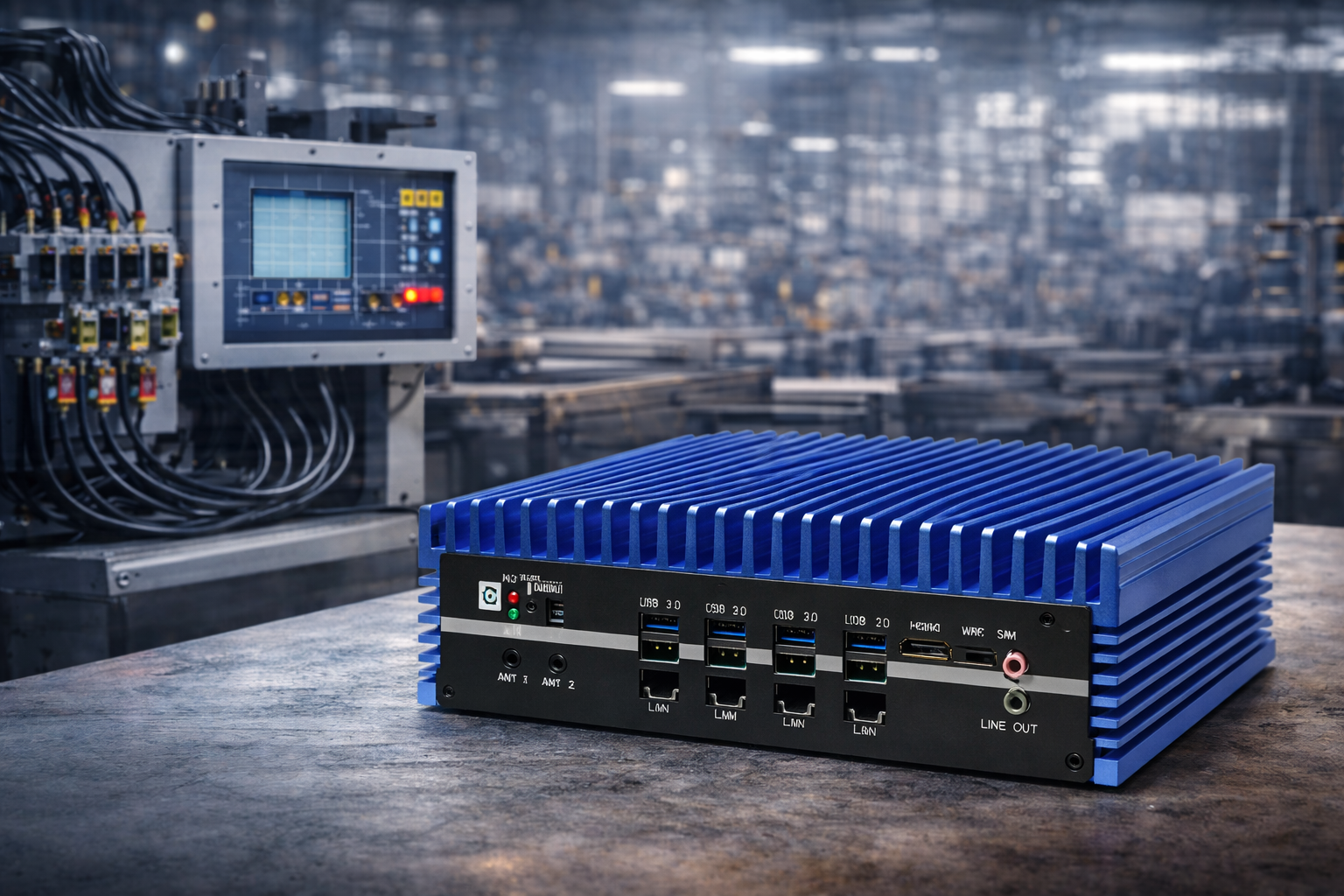
In many modern industrial installations, computers are no longer limited to office environments or control rooms. They are increasingly integrated directly into machinery, production lines and electrical cabinets, where they act as the central point for data processing, machine control and communication between different systems.
Automation environments are demanding by nature. Systems often operate around the clock and must interact with multiple devices simultaneously. PLCs, sensors, HMIs and various control systems may all depend on a reliable computing platform capable of maintaining stable performance over long periods of time. For engineers and plant managers responsible for keeping production running smoothly, the choice of computing hardware becomes an important operational decision. A system failure is not simply an IT issue, it can stop an entire production line.
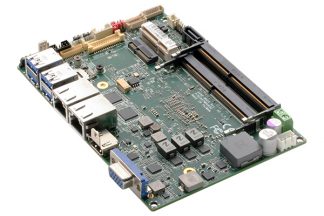
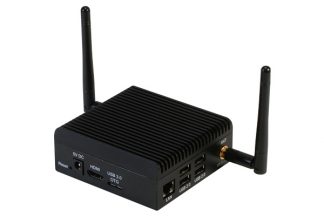
Traditional desktop computers were never designed with these conditions in mind. Industrial environments frequently involve dust, vibration, limited installation space and continuous operation, all of which can affect the stability of standard consumer hardware. Embedded industrial computers address these challenges through their design. Their compact form factor allows them to be installed inside control cabinets or directly within machinery. Many models are fanless, reducing the risk of mechanical failure and helping protect internal components from dust and debris.
Another important factor is reliability. Industrial deployments often require systems to remain operational for many years. Embedded platforms are typically built using industrial-grade components and are designed to support long-term availability, which is essential for companies managing large fleets of machines or complex automation infrastructure. Industrial automation systems rarely operate in isolation. A single installation may involve communication with multiple controllers, sensors and monitoring systems. Because of this, connectivity plays a critical role when selecting an embedded computer. Ethernet connectivity is essential for modern industrial networks, while serial interfaces are still widely used for legacy equipment. USB connectivity is often required for peripheral devices, diagnostics tools or system updates. An embedded platform that offers a flexible range of interfaces allows system integrators to adapt the computer to different installations without requiring additional hardware.
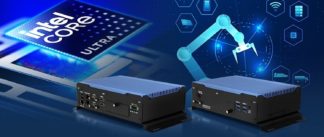
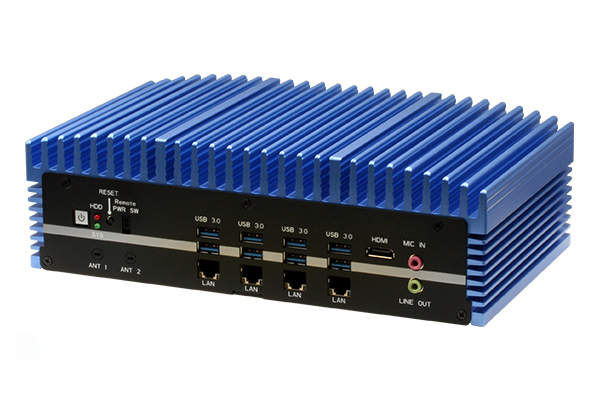
Industrial systems such as the BOXER-6641 illustrate the type of computing platform commonly used in automation environments.
Designed for embedded deployment, systems like this combine a compact design with rugged construction, making them suitable for installation inside control cabinets or directly within industrial equipment. Their connectivity options allow them to integrate with existing automation infrastructure while maintaining stable operation under demanding conditions.
For many system integrators and machine builders, platforms of this type provide a practical balance between performance, reliability and long-term deployment stability.
Typical Industrial Applications
The BOXER-6641 is well suited for applications such as:
-
Industrial automation and control systems
-
Control cabinets and panel PCs
-
Industrial gateways and edge computing
-
Machine monitoring and data acquisition
Availability & Configuration
Selecting the right embedded computer is an important step in building reliable industrial automation systems. In environments where machines operate continuously and multiple systems must communicate seamlessly, the computing platform becomes a critical component of the overall infrastructure.
Embedded industrial computers provide the durability, connectivity and long-term reliability required to support modern automation environments. For organisations looking to reduce downtime and maintain stable production processes, choosing hardware designed specifically for industrial use can make a significant difference.
The BOXER-6641 is available in multiple configurations to suit different performance and I/O requirements. 👉 Contact ETE to discuss availability, configuration options and suitability for your project.